
Cool-Climate Winemaking in Santa Barbara County
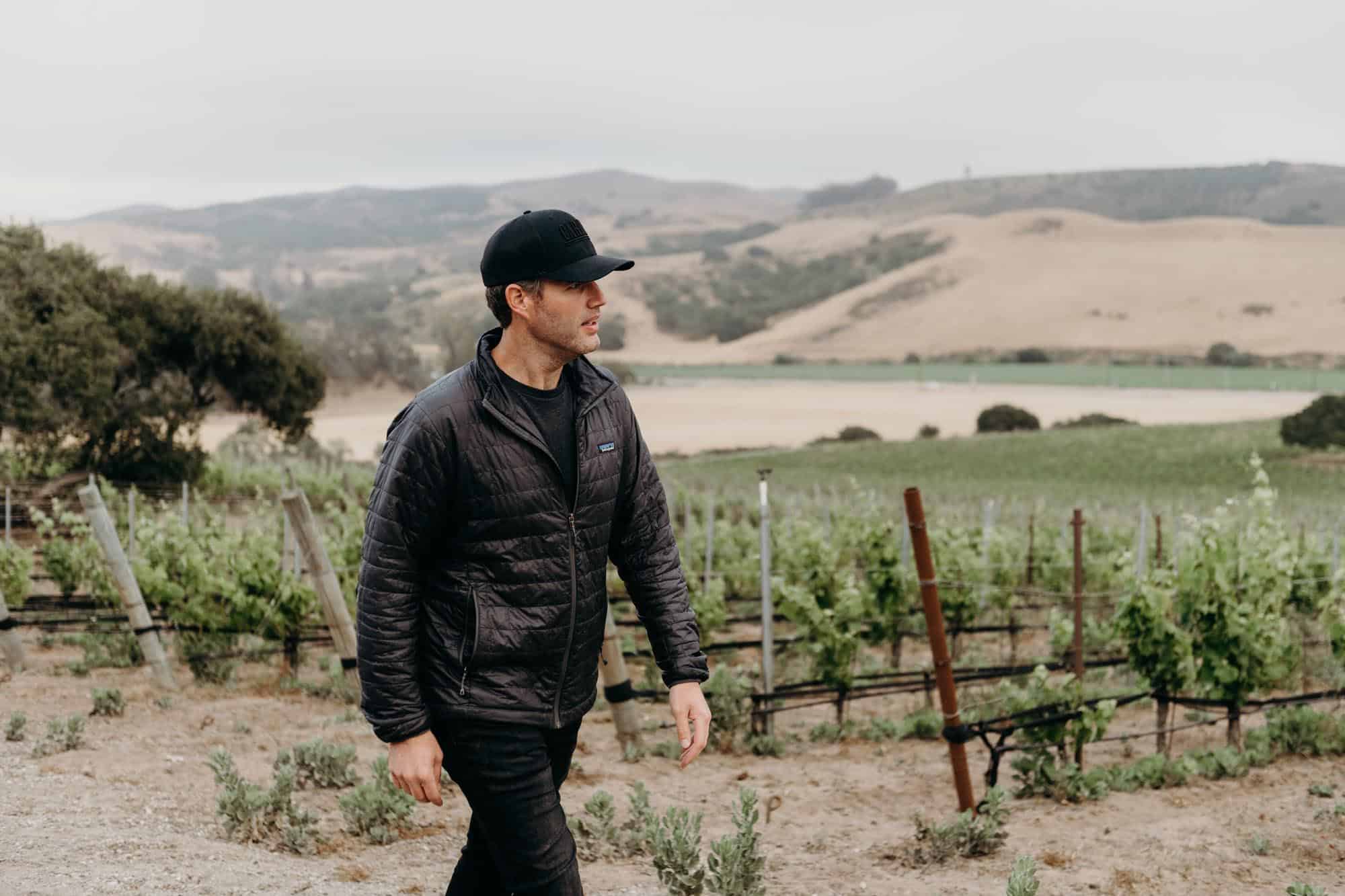
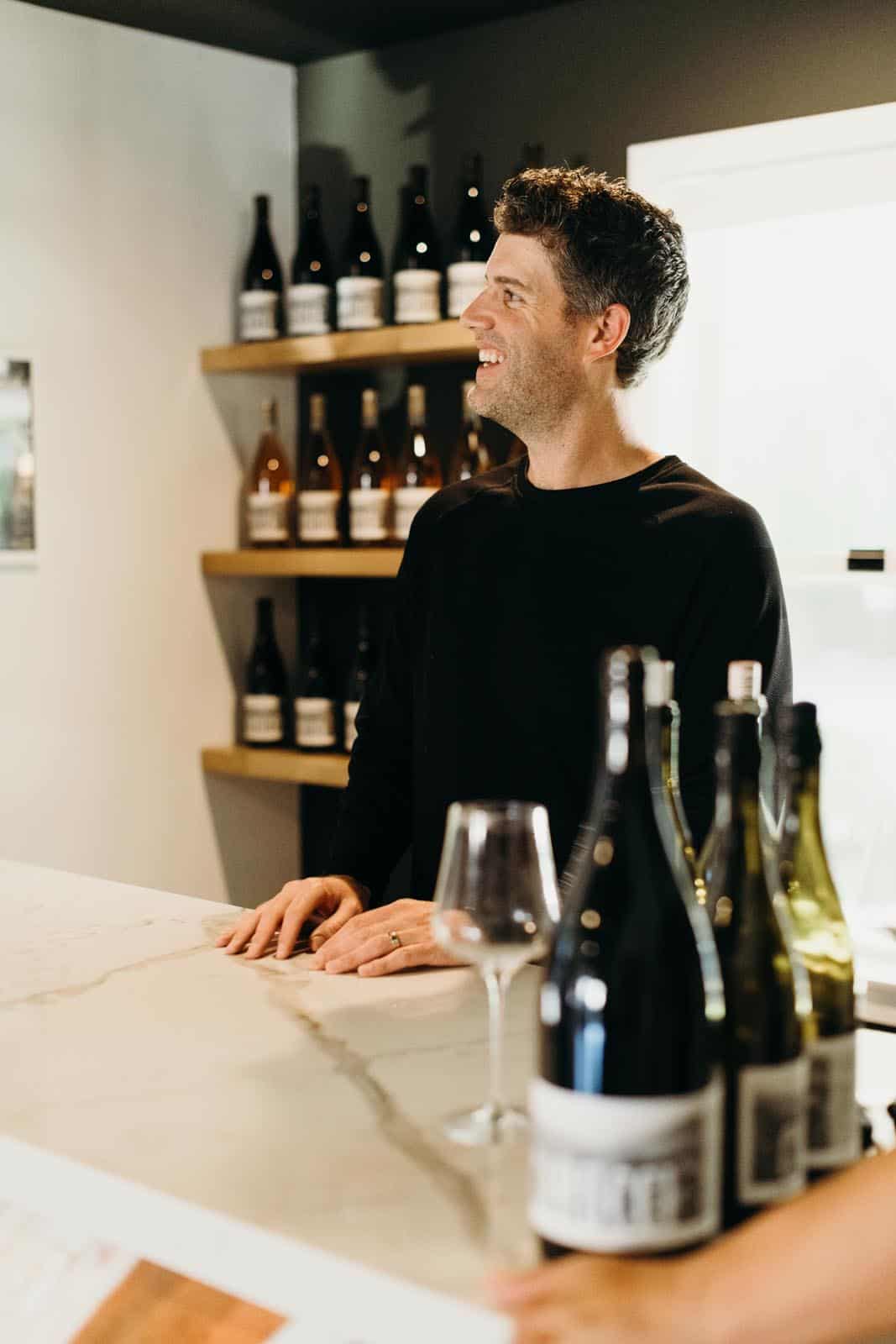
Carucci makes small-lot wines from cool-climate vineyards across Santa Barbara County, where grapes ripen slowly and hold onto their natural freshness. Our goal isn’t to make wines that demand reverence or need a decade in the cellar. It’s to make wines that taste terrific now and will surprise you if you hold onto them.
Our Approach
Many people think wine needs to be serious to be good. That you should cellar it for a decade before it’s ready. That the darker and bigger it is, the better.
We don’t make wine like that.
We make wines that are joyful, that you actually want to open. On a Tuesday with takeout. At a dinner that runs late. With friends who aren’t wine geeks but appreciate something that tastes good and doesn’t take itself too seriously.
The way we get there is by focusing on cool-climate vineyards across Santa Barbara County, where grapes ripen slowly and hold onto their freshness. We make around 800 cases a year, pick based on acidity instead of sugar, and handle everything gently. The goal is to let the fruit show what it can do without getting in the way.
Why Cool Climate?
Cool-climate vineyards change everything about how wine tastes. When grapes ripen slowly in coastal-influenced sites—places with morning fog, afternoon wind, and temperatures that swing dramatically from day to night—they develop intense aromatics and natural acidity without getting heavy or overly ripe.
That acidity is what makes wine versatile. It’s why you can drink our Chardonnay cold on a hot day or pair it with richer foods when the weather cools off. It’s why the Grenache stays bright and fruit-forward instead of tasting like cherry liqueur. It’s why the Syrah has spice and freshness instead of just weight and alcohol.
Eric taught himself to make wine by reading everything he could find from winemakers who were transparent about their process—producers who shared fermentation temperatures, vineyard details, and why they made certain choices. The ones he gravitated toward were making aromatic, lower-alcohol wines from cool sites. That transparency shaped how we approach winemaking at Carucci: nothing hidden, nothing overly complicated, just decisions made to let the fruit show what it can do.
Our Vineyards
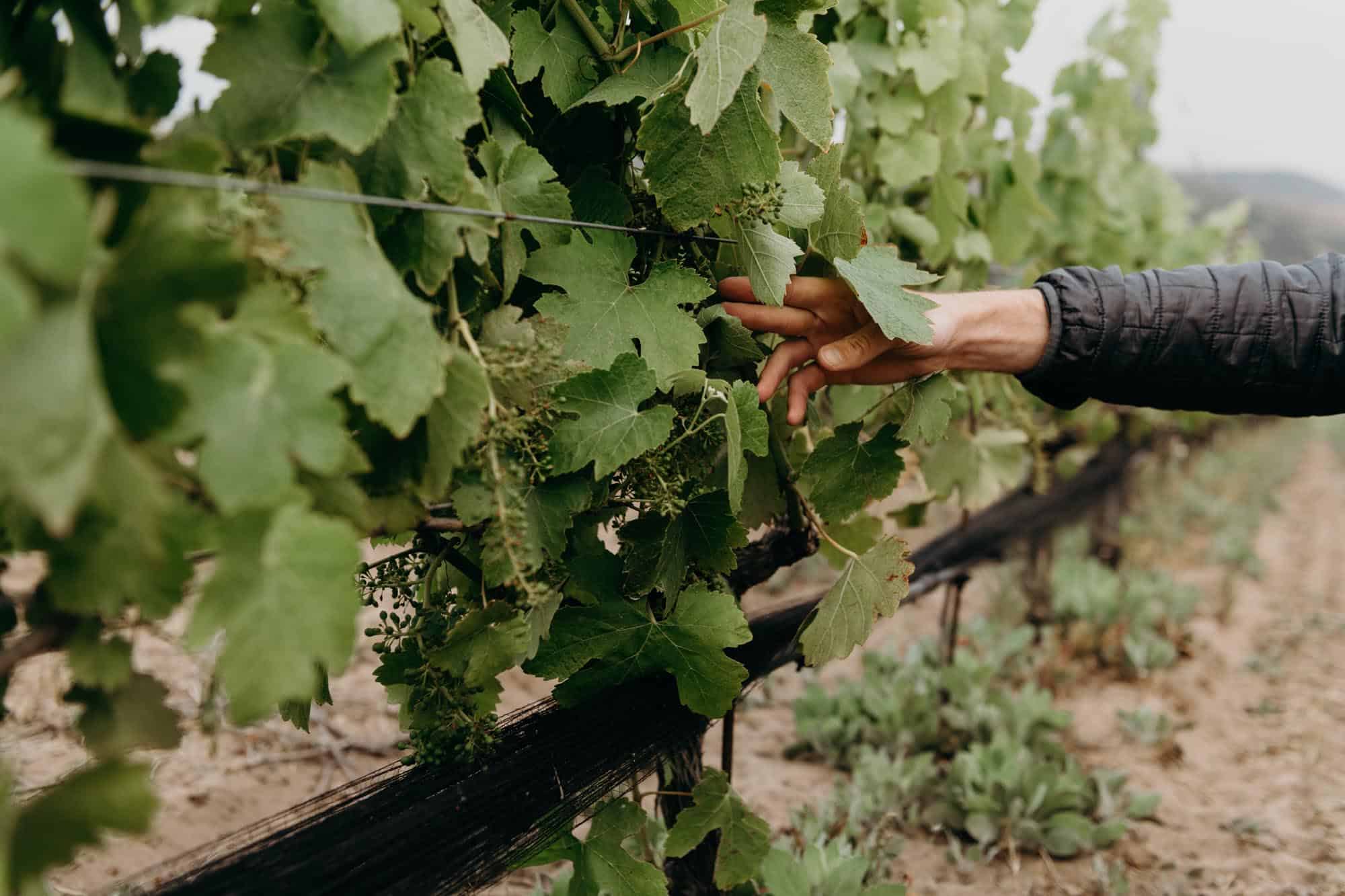
We don’t own vineyards, instead choosing to build relationships with growers who farm sites we believe in. These are cool-climate locations across Santa Barbara County and San Luis Obispo where grapes ripen slowly and retain their natural character.
Donnachadh Vineyard
STA. Rita Hills
Organically farmed Chardonnay site with a slightly warmer microclimate than some other parts of the Santa Rita Hills. That extra warmth brings richness to balance the natural acidity. Two clones: 76 (mineral, citrus) and 548 (stone fruit, white nectarine character).
Our Lady of Guadalupe
STA. Rita Hills
Owned by Dave Phinney (yes, that Dave Phinney). Extreme site on the very western edge of the appellation. When you see it, you could argue it wasn’t the smartest place to plant grapevines—wind-battered, tiny canopies, some vines setting no fruit at all. Our Pinot comes from the very tippy-top of the vineyard. Tiny berries, concentrated clusters, beautiful finished wine with both freshness and richness.
Yellow Foxtrot
Cebada canyon
Young vineyard planted in pure sandy soil down to five feet. Right before you hit that big traffic circle heading west from Buellton toward Lompoc, you take the last right into Cebada Canyon and go all the way until the road ends. Coastal fog, high-toned aromatics, a lot of energy in the wines. This is where we source Garnacha, Syrah (for the X2 blend), and Chenin Blanc.
Spanish Springs
San Luis Obispo Coast
Near Pismo Beach, clay soils, strong Pacific influence. Wines from here have structure and this beautiful mineral quality. Our Syrah from Spanish Springs brings weight and texture to balance the aromatic, sandy-soil character from Yellow Foxtrot.
Portico Hills
Los Alamos
Slightly warmer than the Santa Rita Hills but still cool enough to preserve acidity and aromatics. Perfect for Cabernet Franc, which benefits from a little extra warmth without losing its freshness. Steep, windy, northwest-facing slope with sandy loam soils and veins of limestone. This is where the “taco wine” comes from.